 CA Sansaar


RBI’s Recent Policy Update and Its Impact on Indian Economy 2026
 Print
Print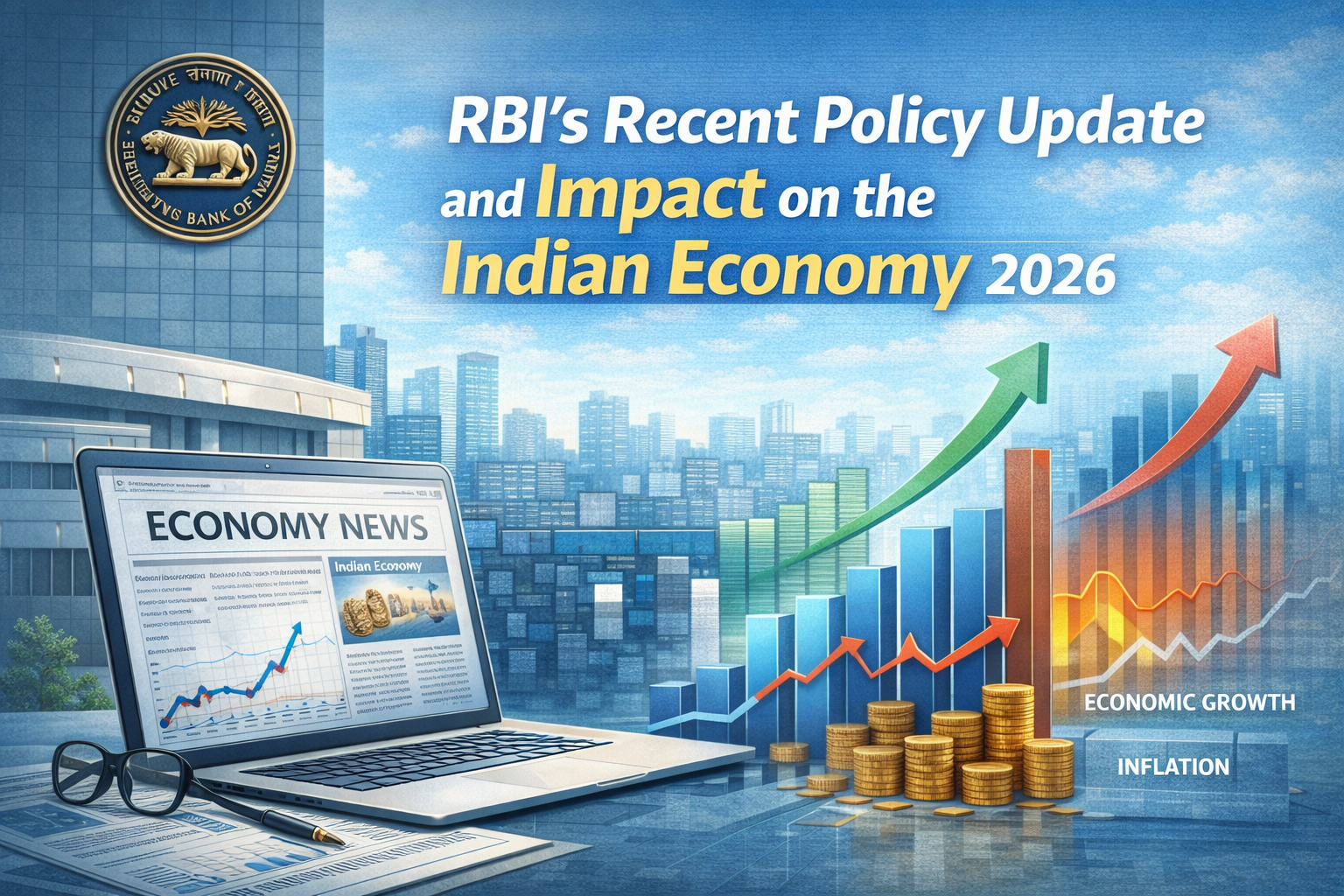
RBI’s Recent Policy Update and Its Impact on the Indian Economy
In a significant development, the Reserve Bank of India (RBI) has announced new policy measures aimed at stabilizing inflation and supporting economic growth. The decision, made during the latest Monetary Policy Committee (MPC) meeting, reflects the central bank’s ongoing effort to balance growth with financial stability in a rapidly evolving economic environment.
Key Highlights of the Policy Update
The RBI has opted to maintain the repo rate at 6.50%, signaling a cautious approach amid global economic uncertainties and domestic inflationary pressures. The central bank cited concerns over rising commodity prices, supply chain disruptions, and the potential impact of geopolitical tensions on the Indian economy.
Additionally, the RBI has introduced new liquidity measures to support the banking sector and ensure adequate credit flow to businesses and individuals. These measures include adjustments to the Cash Reserve Ratio (CRR) and enhanced liquidity facilities for commercial banks. Analysts believe that these steps will provide stability in the financial system while encouraging growth in key sectors.
Impact on Inflation and Borrowing
The MPC highlighted that retail inflation remains within manageable levels, though it is slightly above the target due to higher food and energy prices. By maintaining the repo rate, the RBI aims to keep borrowing costs predictable, thereby supporting investment and consumption without exacerbating inflation.
For consumers and businesses, the decision translates to relatively stable interest rates on loans and credit. Housing loans, personal loans, and corporate borrowing are expected to remain within current rates, which may encourage continued investment in real estate, infrastructure, and industrial sectors.
Market Reaction
The announcement was met with a positive response from the stock markets, with indices showing modest gains. Financial analysts observed that the RBI’s measured approach reflects confidence in the economy’s resilience while remaining cautious about potential risks. Bank stocks and financial institutions particularly benefited, as liquidity measures improve their lending capacity.
Expert Opinions
Economists have widely welcomed the RBI’s decision. Dr. Ramesh Kumar, a senior economist, noted, “Maintaining the repo rate signals stability in monetary policy, which is essential for investor confidence. The liquidity measures will further support businesses and contribute to a balanced economic recovery.”
Similarly, industry experts highlighted that continued monitoring of inflation trends and global economic developments will be critical in shaping future policy decisions. The RBI’s proactive stance is expected to provide clarity for both domestic and international investors.
Looking Ahead
The central bank has indicated that it will continue to closely monitor economic indicators, including inflation, GDP growth, and employment data, to adjust policies as required. Analysts anticipate that the RBI may adopt further targeted measures if inflationary pressures persist or if global economic conditions shift significantly.
In conclusion, the RBI’s latest policy update underscores its commitment to financial stability, controlled inflation, and sustainable economic growth. While challenges remain, the balanced approach is likely to provide a stable environment for businesses, investors, and consumers in 2026.
Category : RBI | Comments : 0 | Hits : 118










Comments